Tall Yoga Practitioners: Why Standard Yoga Blocks Never Feel Tall Enough
Quick Answer: Standard yoga blocks come in one universal height regardless of practitioner height, so a taller person with proportionally longer arms and torso often finds even the tallest block orientation still requires reaching further than a shorter practitioner would — stacking two blocks, rather than relying on one block’s tallest side, is the more reliable fix.
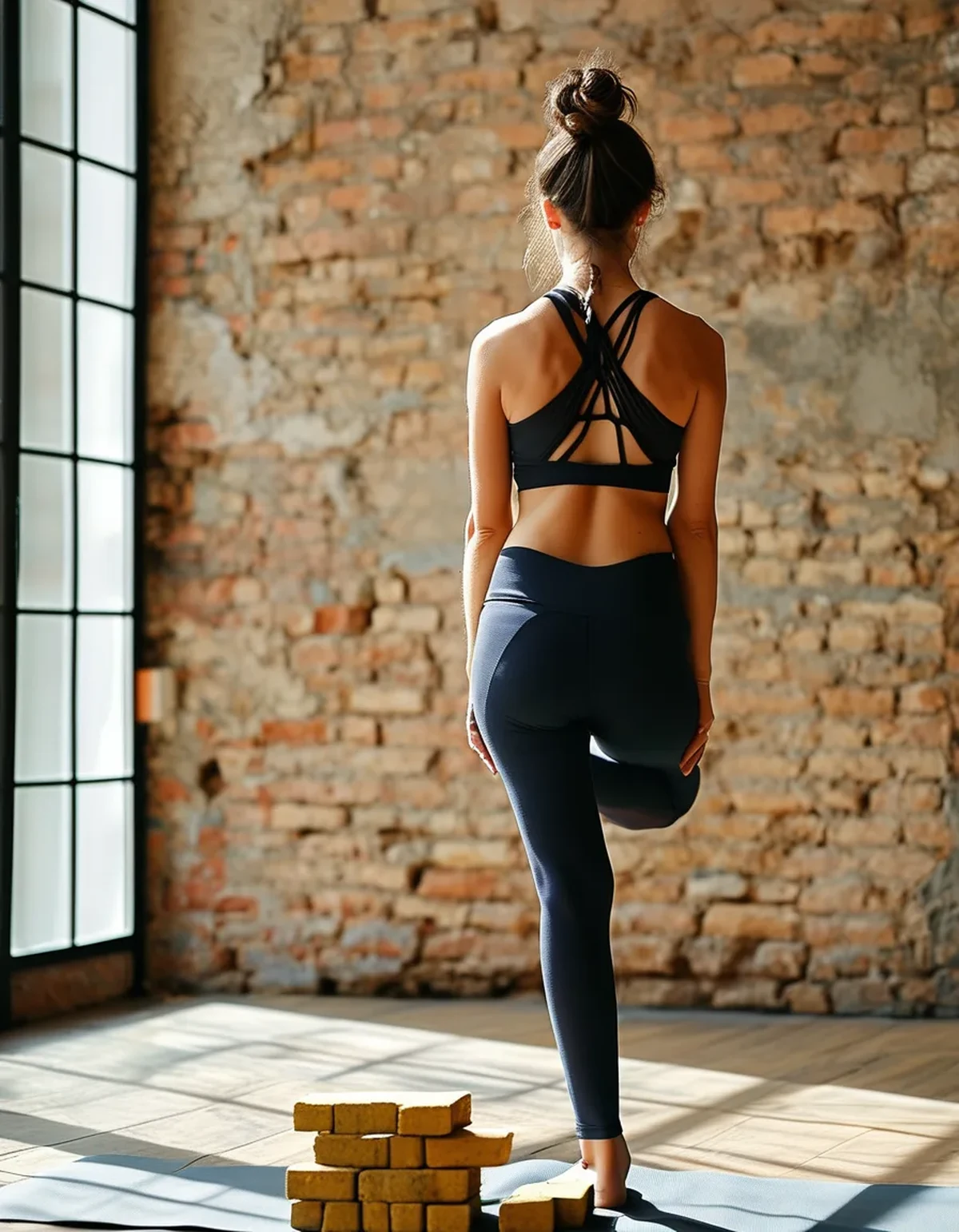
You’ve tried every orientation of the block — flat, on its side, standing tall — and in poses like triangle or half-moon, you’re still reaching noticeably farther down than feels stable, while shorter classmates seem to have the same block meet them comfortably.
Why does block height feel like it was never designed with tall bodies in mind?
Yoga blocks are manufactured in a small number of universal sizes (commonly around 9x6x4 inches) that don’t scale to practitioner height at all — unlike a yoga mat, which sometimes comes in extended lengths for taller people, blocks are treated as one-size-fits-all props.
What actually works better than relying on one block?
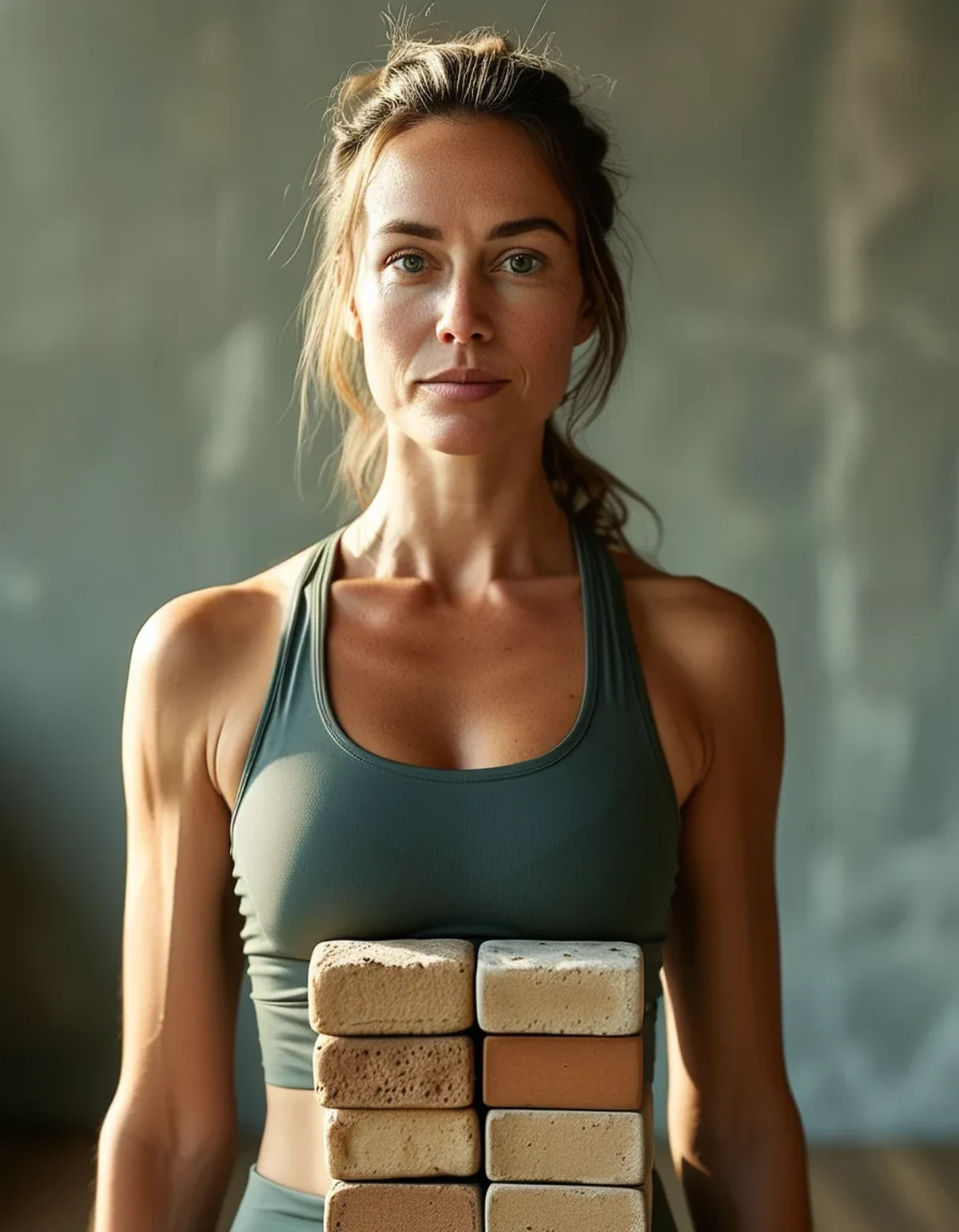
Stacking two blocks at your tallest needed height gives you more incremental control than any single block orientation can offer, since you can add or remove height in smaller steps. Some practitioners also use a yoga wedge or bolster in combination with a block for poses where even two stacked blocks don’t quite close the gap.
Does this affect balance poses differently than stretches?
Yes — in balance-dependent poses (like half-moon), reaching too far for an under-height block can pull you off balance entirely, not just create discomfort. In more static poses (like supported bridge), an under-height prop is more of a comfort issue than a stability one, so it’s worth prioritizing the fix for balance poses first.
FAQ: Yoga Blocks for Tall Practitioners, Answered
Are there yoga blocks made specifically for taller people?
A few specialty brands make taller or adjustable-height blocks, though they’re a niche product — stacking standard blocks remains the more widely available fix.
Does block material affect stability when stacked?
Yes — cork and dense foam blocks stack more securely than lightweight foam blocks, which can shift more easily when doubled up.
Should a tall beginner ask their instructor for a modification?
Yes — most instructors are glad to suggest a stacked-block or wedge modification once they know height is affecting a specific pose, and it’s a common enough request that they’ll likely already have a suggestion ready.
TL;DR:
- Yoga blocks are a universal size that doesn’t scale to practitioner height
- Stacking two blocks gives more precise height control than any single block orientation
- Balance poses are affected more seriously by an under-height block than static stretches
- A few specialty tall-sized blocks exist, but stacking remains the most accessible fix
The pose isn’t the problem — the standard block height was never built with a taller reach in mind. Stack it, and the pose settles.
Keep Reading
This article is for general informational and styling purposes only. Fit, sizing, and product availability may vary.
