Why Standard Yoga Cues Sometimes Don't Quite Work for Taller Bodies
Quick Answer: Standard yoga alignment cues are built around average proportions, and taller practitioners — especially those with longer limbs relative to torso — can find some cues technically followed but still feeling physically wrong. Treat cues as a starting reference, then adjust based on how the pose actually feels in your specific proportions, not just whether you’ve matched the verbal instruction.
You’ve stacked your wrists exactly under your shoulders in downward dog, exactly like the cue says, and it still feels wrong in your shoulders. That’s not a sign you’re doing it incorrectly — it’s a sign the cue was calibrated for different proportions than yours.
Why do standard cues sometimes not translate directly for taller bodies?
Because most verbal alignment cues describe a relationship between body parts (wrists under shoulders, knees over ankles) that assumes fairly average limb-to-torso proportions. Taller practitioners, particularly those with proportionally longer arms or legs relative to torso length, can follow the cue’s literal instruction and still end up in a position that doesn’t distribute weight or effort the way the cue intends.
This is a known, discussed issue in yoga teacher training circles, not an unusual or invalid experience — it’s simply not addressed in most general beginner-level classes.
Which cues tend to need the most adjustment?
Downward dog wrist and shoulder positioning — longer arms relative to torso can make the standard hand and foot distance feel cramped; walking feet back slightly further than the ‘standard’ distance often relieves this.
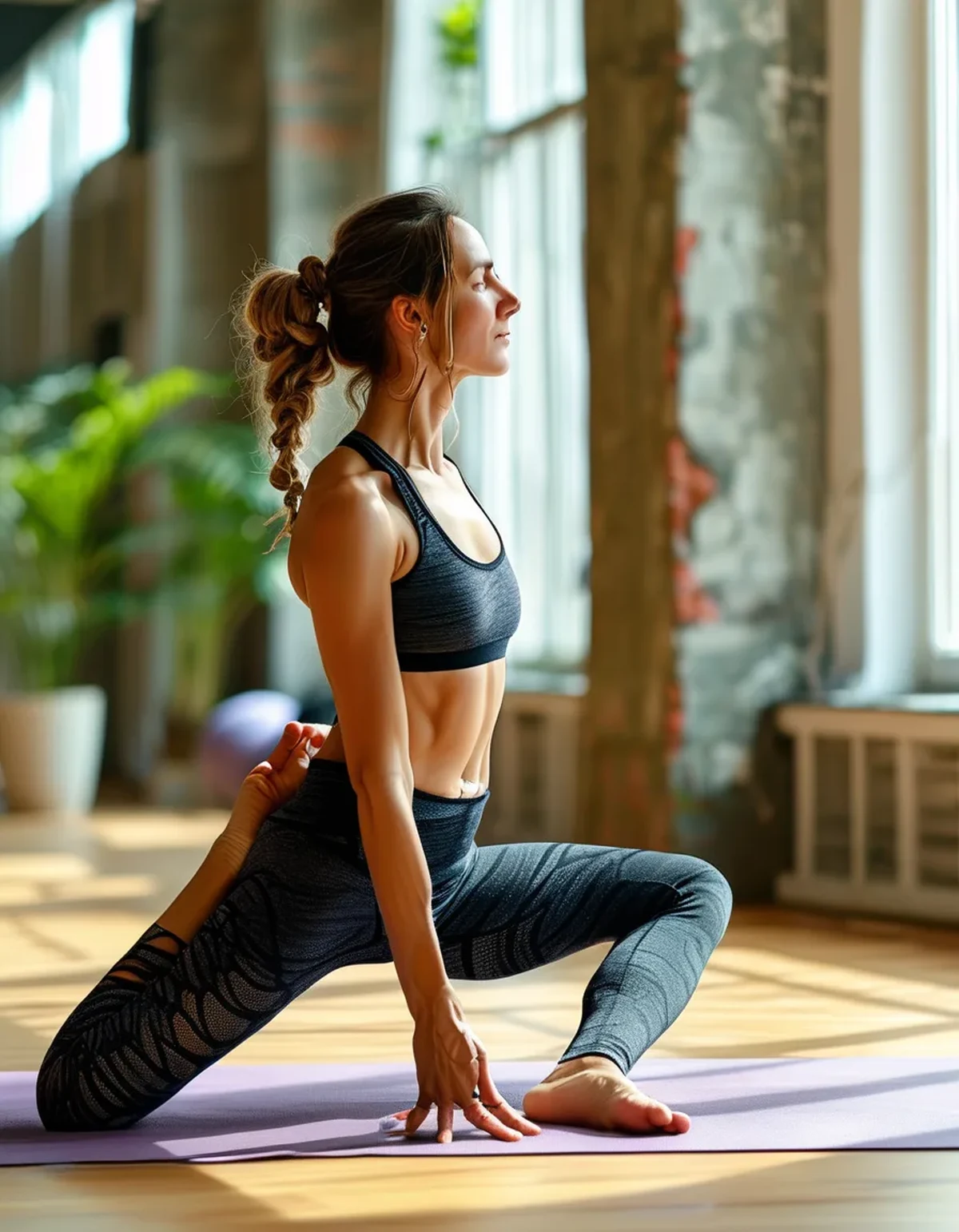
Warrior poses and lunge depth cues — ‘front knee over ankle’ can require a genuinely wider stance for longer legs than the cue’s implied stance width suggests, since a longer femur needs more horizontal distance to achieve the same knee angle.
Plank and chaturanga elbow position — longer arms can change where the natural elbow bend point falls relative to the ribs, making a standard cue feel slightly imprecise even when technically followed.

What Nobody Tells You About Adjusting Cues Yourself
The actual goal behind most alignment cues is joint safety and even effort distribution, not the literal visual position described — once you understand the purpose behind a cue (protecting the shoulder joint, avoiding knee strain), you can adapt the specific position to your proportions while still honoring that underlying intent.
A good yoga teacher, told directly that a cue doesn’t feel right for your proportions, can usually offer a proportion-adjusted version on the spot — this is a completely normal and expected question to ask, not a sign of doing yoga wrong.
How do you build confidence adjusting cues on your own?
Start by identifying poses where a standard cue consistently feels off despite correct literal execution, and experiment with small adjustments — a wider stance, a slightly different hand placement — while paying attention to whether the adjustment relieves strain or improves stability, which is the actual marker of a correct adjustment, more reliable than matching the cue exactly.
Over time, most taller practitioners develop a personalized sense of their own proportional adjustments across common poses, which tends to make cues feel like useful starting guidance rather than rigid instructions to force your body into.
FAQ: Tall Body Yoga Cue Questions, Answered
Should I tell my yoga teacher that a cue doesn’t work for my body?
Yes — this is useful, normal feedback that most teachers welcome, and it often helps them offer better cues to other tall students in the class too.
Is it common for taller practitioners to need a wider stance in standing poses?
Yes, particularly for longer-legged practitioners, a wider stance in lunges and warrior poses is a frequently needed and completely valid adjustment.
Does this mean standard yoga cues are wrong?
Not wrong, just calibrated to average proportions as a starting reference — understanding the purpose behind a cue lets you adapt it appropriately rather than treating the adjustment as a deviation from correct form.
TL;DR:
- Standard alignment cues assume fairly average limb-to-torso proportions
- Downward dog, lunge depth, and plank elbow position are common spots needing adjustment
- Focus on the purpose behind a cue (joint safety, even effort) rather than its literal wording
- Telling your teacher a cue doesn’t work for your proportions is normal, useful feedback
Treat standard cues as a starting point, not a rigid target — your own proportions get the final say on what actually feels correct and safe.
Keep Reading
This article is for general informational and styling purposes only. Fit, sizing, and product availability may vary.
